Semana Santa 2026 España: Key Dates & Why It Arrives Early
For millions across Spain,
Semana Santa (Holy Week) isn't just another public holiday; it's a profound cultural, spiritual, and social event that truly kicks off the year's travel and leisure opportunities. After the quiet of winter, it's the first significant moment to pause, reflect, reunite with family, or embark on a much-needed escape. As the calendar pages turn, anticipation for
Semana Santa 2026 España is already building, and with the official dates now confirmed, it's the perfect time to begin planning.
Whether you're captivated by the ancient, solemn processions that wind through historic city streets, yearning for a rejuvenating break from daily routines, or simply seeking a long weekend to recharge, Easter remains one of the most eagerly awaited periods in Spain's vibrant annual calendar. However, there's a unique characteristic that sets Semana Santa apart from fixed holidays: its dates fluctuate annually. In 2026, Holy Week is set to arrive slightly earlier than many might anticipate, adding an intriguing element to the planning process.
Unveiling the Key Dates for Semana Santa 2026 España
The anticipation surrounding
Semana Santa 2026 España truly begins with *Miércoles de Ceniza* (Ash Wednesday), a significant day for Catholics marking the start of Lent, a 40-day period of reflection leading up to Holy Week. For 2026, Ash Wednesday falls on
February 18th, setting the spiritual clock ticking for this pivotal period in the Spanish calendar.
The main observances of Semana Santa 2026 will unfold across these crucial dates:
*
Domingo de Ramos (Palm Sunday): March 29, 2026 – Marks the triumphant entry of Jesus into Jerusalem, with palm and olive branches decorating churches and streets.
*
Jueves Santo (Maundy Thursday): April 2, 2026 – Commemorates the Last Supper and the Washing of the Feet.
*
Viernes Santo (Good Friday): April 3, 2026 – A day of solemnity, remembering the crucifixion of Jesus Christ, characterized by the most poignant processions.
*
Domingo de Resurrección (Easter Sunday/Resurrection Sunday): April 5, 2026 – Celebrates the resurrection, bringing a joyful close to the intense week of observance.
These dates span from Sunday, March 29, to Sunday, April 5, 2026. This relatively early arrival in the calendar year means that Semana Santa 2026 will coincide beautifully with the very beginning of spring, promising potentially milder weather for processions and outdoor activities, and perhaps even a fresher, greener landscape for those exploring Spain's diverse regions. The opportunity for many to enjoy a long weekend, stretching from Thursday to Sunday, or even longer in some communities, makes these confirmed dates invaluable for early planning.
Why Semana Santa 2026 Arrives "Early": The Lunar Calendar Explained
The varying dates of Easter and, by extension,
Semana Santa 2026 España often spark curiosity. Unlike fixed public holidays like Christmas or New Year's Day, Easter doesn't adhere to a standard solar calendar. Its timing is deeply rooted in astronomical events and ancient religious traditions, primarily governed by the lunar cycle and the liturgical calendar.
The rule, established by the First Council of Nicaea in 325 AD, dictates that Easter Sunday falls on the
first Sunday after the first full moon following the spring equinox.
Let's break that down for 2026:
1.
Spring Equinox: This astronomical event typically occurs around March 20th or 21st, marking the beginning of spring in the Northern Hemisphere.
2.
First Full Moon After Equinox: For 2026, the first full moon following the spring equinox occurs relatively early.
3.
First Sunday After That Full Moon: This Sunday then becomes Easter Sunday.
Because the full moon can occur at different points relative to the equinox each year, the date of Easter Sunday can fluctuate significantly, ranging from late March to late April. In 2026, the specific alignment of the full moon after the equinox brings Easter Sunday to April 5th, placing the entire Holy Week period at the end of March and beginning of April – making it feel "early" compared to years when it might fall later in April. This celestial dance ensures that the ancient tradition remains connected to natural cycles, providing a unique rhythm to the Christian calendar.
Public Holidays & Regional Variations: Maximizing Your Semana Santa 2026 Break
One of the most practical considerations for anyone planning to experience
Semana Santa 2026 España is understanding the regional variations in public holidays. While *Viernes Santo* (Good Friday) is a national public holiday across Spain, *Jueves Santo* (Maundy Thursday) and *Lunes de Pascua* (Easter Monday) are celebrated as non-working days in specific autonomous communities, offering extended breaks. This flexibility allows for a range of possibilities, from a short city break to a comprehensive tour of Spain's diverse Holy Week traditions.
Here's a breakdown of the public holidays for Semana Santa 2026 by region:
*
Thursday, April 2 & Friday, April 3 (Jueves Santo & Viernes Santo):
* Andalucía, Aragón, Islas Baleares, Canarias, Cantabria, Castilla - La Mancha, Castilla y León, Extremadura, Galicia, Madrid, Murcia, Ceuta, Melilla.
*
Friday, April 3 & Monday, April 6 (Viernes Santo & Lunes de Pascua):
* Cataluña, Comunidad Valenciana.
*
Thursday, April 2, Friday, April 3 & Monday, April 6 (Jueves Santo, Viernes Santo & Lunes de Pascua):
* Castilla - La Mancha (note: also lists Thursday/Friday, check specific local decrees for full clarity as often one of the two longer options applies), Navarra, País Vasco, La Rioja.
*
Friday, April 3 (Viernes Santo only):
* Asturias.
This varied distribution of public holidays means that many regions will enjoy a three or four-day weekend, perfect for travel, religious observances, or simply unwinding. In communities like Catalonia, the Valencian Community, and Navarre, the inclusion of Easter Monday (April 6) extends the break, often shifting the focus from Thursday to Monday, offering a longer opportunity for rest and regional celebrations. For a detailed guide on how these regional nuances can impact your travel and leisure plans, be sure to consult our dedicated article:
Plan Your Break: Semana Santa 2026 Public Holidays by Region.
Beyond the Dates: Making the Most of Semana Santa 2026 in Spain
While the specific dates and public holidays are crucial for logistical planning, the true essence of
Semana Santa 2026 España lies in the immersive experience it offers. This is a time when Spain transforms, showcasing its rich cultural tapestry and deeply rooted traditions. The "early" arrival in late March/early April might mean slightly cooler temperatures in some areas, but it also heralds the vibrant bloom of spring, potentially enhancing the beauty of outdoor events.
*
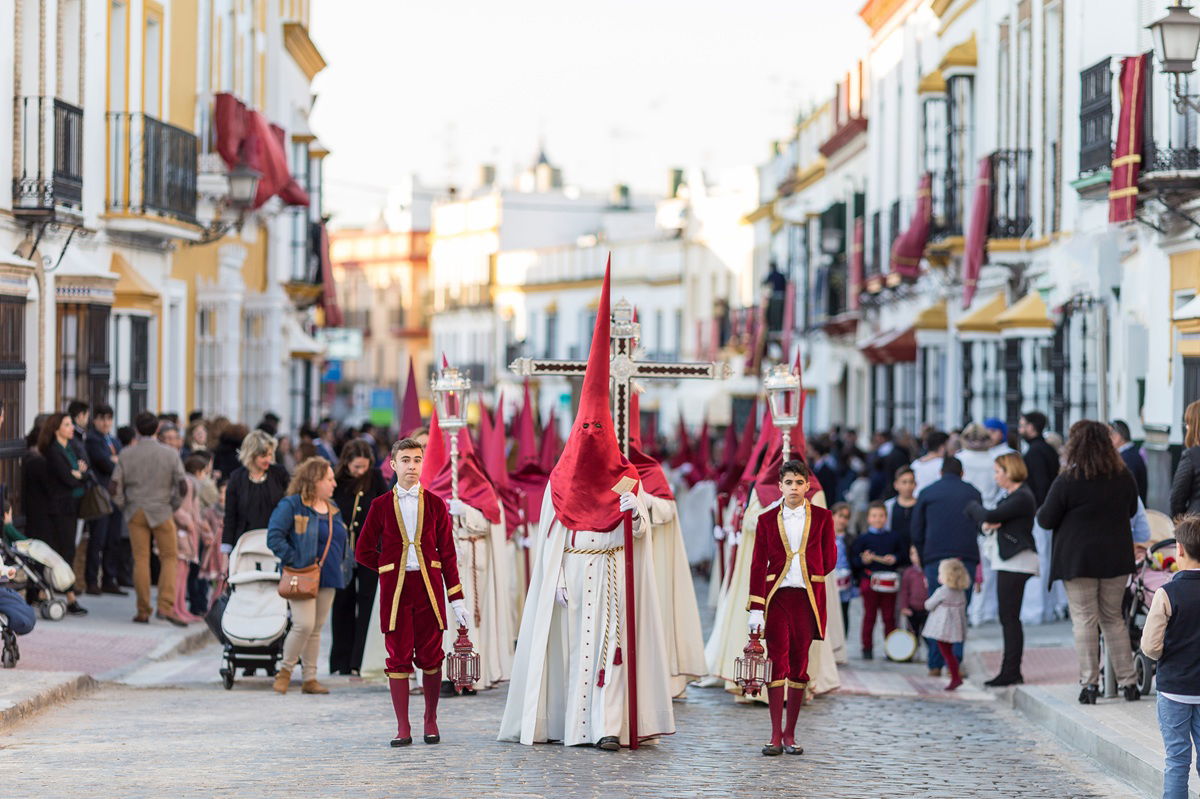
Immerse in Tradition: Witness the awe-inspiring processions (`procesiones`), where elaborately adorned floats (`pasos`) depicting scenes from the Passion are carried through the streets by penitents (`nazarenos`). The atmosphere is unique, blending solemnity with intense devotion, accompanied by haunting musical scores and the scent of incense. Cities like Seville, Málaga, Valladolid, and Zamora are renowned globally for their distinct and moving celebrations, each offering a different facet of this profound tradition.
*
Cultural Exploration: Beyond the religious aspects, Semana Santa is a vibrant cultural spectacle. Many towns and cities organize complementary cultural events, concerts, and art exhibitions. It's an excellent opportunity to delve into local history, architecture, and gastronomy.
*
Travel and Leisure: For those seeking a more relaxed break, the extended weekends offer prime opportunities for city escapes, exploring Spain's stunning natural parks, or visiting coastal areas before the peak summer rush. Even if you're not participating in religious events, the festive yet respectful atmosphere is contagious.
*
Practical Tips for Your Visit:
*
Book Early: Given the popularity of Semana Santa, accommodation, flights, and train tickets, especially to major cities, sell out rapidly. Secure your bookings well in advance.
*
Check Local Schedules: Procession times and routes vary daily and by location. Consult local tourism boards or city council websites for up-to-date information.
*
Respect Local Customs: Dress modestly, especially if attending religious services or watching processions. Maintain a respectful silence during solemn moments.
*
Weather Preparedness: As Semana Santa 2026 is early, spring weather can be unpredictable. Pack layers, including rain gear, alongside lighter clothing for warmer spells.
Semana Santa is more than just a holiday; it's a profound journey into the heart and soul of Spain. For a deeper understanding of its meaning, key events, and what to expect during your visit, explore our comprehensive guide:
Semana Santa 2026: Dates, Significance, and What to Expect in Spain.
As 2026 approaches, the early arrival of Semana Santa – spanning from March 29th to April 5th – presents a fantastic opportunity to be part of a truly unique Spanish experience. Whether drawn by faith, culture, or the promise of a refreshing break, understanding these key dates and the reasons behind them is your first step towards planning an unforgettable visit. Embrace the chance to witness Spain's unparalleled traditions and start your spring with an enriching journey.