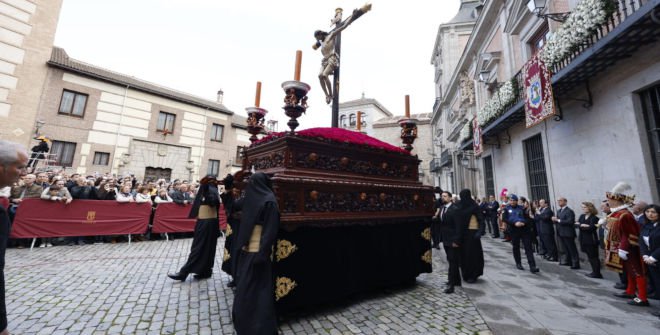
As the calendar pages turn towards 2026, anticipation builds across Spain for one of its most profound and spectacular annual events: Semana Santa 2026 España. More than just a public holiday, Easter Week in Spain is a deeply ingrained cultural and religious phenomenon, offering a captivating blend of solemnity, tradition, and vibrant community spirit. For many, it marks the first significant opportunity of the year to pause, reflect, and enjoy a much-needed break, whether through travel, family gatherings, or participation in age-old rituals.
With the Semana Santa 2026 dates now confirmed, it's the perfect moment to begin planning your experience. This year, Holy Week arrives a little earlier than some might anticipate, bringing with it the promise of springtime weather and a unique atmosphere. Whether you're drawn by the mesmerising processions, seeking a quiet city escape, or simply hoping for a long weekend to recharge, this comprehensive guide will walk you through everything you need to know about Semana Santa 2026 in Spain.
Understanding Semana Santa 2026: Key Dates and Lunar Rhythms
Unlike many fixed public holidays, the timing of Easter Week shifts annually. This is because its dates are intrinsically linked to the lunar cycle and the liturgical calendar. Specifically, Easter Sunday is set to fall on the first Sunday after the first full moon following the spring equinox. This celestial dance means that in 2026, Semana Santa España will unfold relatively early in the year, perfectly coinciding with the burgeoning beauty of spring.
For 2026, the Holy Week celebrations in Spain will commence on Sunday, March 29th, with Palm Sunday, and conclude on Sunday, April 5th, marking Easter Sunday (Resurrection Sunday). For those observing the broader religious calendar, Ash Wednesday, which signifies the start of the Lenten period leading up to Easter, falls on February 18th, 2026.
Here are the pivotal dates for Semana Santa 2026:
- Domingo de Ramos (Palm Sunday): March 29th, 2026
- Jueves Santo (Maundy Thursday): April 2nd, 2026
- Viernes Santo (Good Friday): April 3rd, 2026
- Sábado Santo (Holy Saturday): April 4th, 2026
- Domingo de Resurrección (Easter Sunday/Resurrection Sunday): April 5th, 2026
The relatively early arrival of Semana Santa in 2026, falling at the very beginning of spring, might influence weather patterns, potentially offering cooler temperatures for procession viewing and more pleasant conditions for exploring cities. Understanding this key aspect is vital for planning your Semana Santa 2026 Spain experience, especially considering why it arrives early.
The Deep Cultural and Religious Significance Across Spain
Semana Santa in Spain is far more than a mere holiday period; it is a profound commemoration of the Passion, Death, and Resurrection of Jesus Christ, central to the Catholic faith. Yet, its impact extends far beyond religious devotion, shaping the cultural fabric and daily life across the country.
For centuries, the traditions of Holy Week have been passed down through generations, evolving into a unique blend of solemnity, artistry, and communal identity. Brotherhoods, known as cofradías or hermandades, are at the heart of these celebrations. Members, often clad in traditional robes and conical hoods (capirotes), parade through the streets carrying magnificent religious floats called pasos. These elaborately decorated platforms, often centuries old and weighing tons, depict scenes from the Passion and are carried on the shoulders of dedicated bearers, known as costaleros.
The atmosphere is a sensory feast: the rhythmic beat of drums and mournful trumpets, the haunting smell of incense, the flickering candlelight illuminating the night, and the hushed reverence of onlookers. While the core message is universal, each region, and even each city, boasts its own distinct style and traditions. From the dramatic, fervent processions of Andalucía (especially Seville and Málaga) to the silent, austere ceremonies of Castile and León (Valladolid, Zamora, Salamanca), or the more family-oriented celebrations in Catalonia, the diversity of expression is astounding. This is a time when towns and cities transform into open-air stages, showcasing centuries of devotion and artistic heritage.
Navigating Public Holidays for Semana Santa 2026 Across Spanish Regions
When planning your Semana Santa 2026 España itinerary, understanding the regional variations in public holidays is crucial. While Palm Sunday and Easter Sunday are universally observed, the public holidays during the week itself can differ significantly between Spain's autonomous communities. This impacts travel, business hours, and the duration of extended breaks for both residents and visitors alike.
Generally, Jueves Santo (Maundy Thursday, April 2nd) and Viernes Santo (Good Friday, April 3rd) are the most common public holidays across the majority of Spain. This typically creates a three or four-day long weekend, perfect for short trips or local celebrations.
However, some regions offer an even longer respite with Lunes de Pascua (Easter Monday, April 6th) also declared a public holiday, often in substitution for Maundy Thursday. This is particularly relevant for those looking for a longer break.
Here’s a breakdown of the public holidays for Semana Santa 2026 by autonomous community:
- Andalucía: Thursday, April 2nd & Friday, April 3rd
- Aragón: Thursday, April 2nd & Friday, April 3rd
- Asturias: Friday, April 3rd
- Islas Baleares: Thursday, April 2nd & Friday, April 3rd
- Canarias: Thursday, April 2nd & Friday, April 3rd
- Cantabria: Thursday, April 2nd & Friday, April 3rd
- Castilla - La Mancha: Thursday, April 2nd, Friday, April 3rd & Monday, April 6th
- Castilla y León: Thursday, April 2nd & Friday, April 3rd
- Cataluña: Friday, April 3rd & Monday, April 6th
- Comunidad Valenciana: Friday, April 3rd & Monday, April 6th
- Extremadura: Thursday, April 2nd & Friday, April 3rd
- Galicia: Thursday, April 2nd & Friday, April 3rd
- Madrid: Thursday, April 2nd & Friday, April 3rd
- Murcia: Thursday, April 2nd & Friday, April 3rd
- Navarra: Thursday, April 2nd, Friday, April 3rd & Monday, April 6th
- País Vasco (Basque Country): Thursday, April 2nd, Friday, April 3rd & Monday, April 6th
- La Rioja: Thursday, April 2nd, Friday, April 3rd & Monday, April 6th
- Ceuta: Thursday, April 2nd & Friday, April 3rd
- Melilla: Thursday, April 2nd & Friday, April 3rd
As you can see, regions like Castilla - La Mancha, Navarra, País Vasco, and La Rioja enjoy a four-day break from Thursday to Monday, while Cataluña and Comunidad Valenciana shift their main holiday to Easter Monday, foregoing Maundy Thursday. Asturias stands out with only Good Friday as a public holiday. These variations are critical for planning travel, understanding opening hours for businesses, and anticipating crowd levels. For more detailed insights, be sure to plan your break by checking Semana Santa 2026 public holidays by region.
Experiencing Semana Santa: From Solemn Processions to Local Delights
To truly immerse yourself in Semana Santa 2026 in Spain is to engage all your senses. The processions are undoubtedly the main event, but the week offers much more. Expect to witness:
- Grand Processions: These are the heart of Holy Week. Watch as the massive pasos, often adorned with incredible sculptures and intricate silverwork, are carried through narrow streets, sometimes swaying to the rhythm of accompanying bands. The sight of hundreds of nazarenos, their faces obscured by *capirotes*, creating a solemn, anonymous presence, is unforgettable.
- Unique Regional Flavours: Whether it's the fervent "madrugá" (dawn) processions in Seville, the stark silence and penitence of Zamora, or the artistic masterpieces paraded in Valladolid, each city offers a distinct flavour of devotion and spectacle. Researching your chosen destination's specific traditions will greatly enhance your experience.
- Sacred Music and Art: The air will be filled with traditional music, from the powerful sound of military drums and cornets to the haunting, improvised flamenco laments known as saetas. Many churches also host special concerts and exhibitions of religious art during this period.
- Traditional Gastronomy: Holy Week also brings its own culinary traditions. Look out for delicious Lenten dishes, often meat-free, and special sweets. Torrijas (a Spanish-style French toast soaked in milk or wine and honey) are ubiquitous and a must-try. Other regional specialities include Pestiños in Andalucía or Mona de Pascua (Easter cake) in Catalonia and Valencia.
- Community and Family: Beyond the public displays, Semana Santa is a time for families to come together, often travelling to their ancestral towns to participate in local traditions. The feeling of community, shared history, and reverence is palpable.
Practical Tips for Planning Your Semana Santa 2026 Journey
Given the popularity and early dates of Semana Santa 2026, early planning is essential:
- Book Accommodation & Transport Early: Popular cities like Seville, Málaga, and Valladolid see huge influxes of visitors. Hotels and flights/trains book up months in advance, and prices can surge.
- Check Local Schedules: Procession times and routes are announced closer to the dates, but local tourism offices or brotherhood websites can provide general information. Be prepared for crowds, especially for major processions.
- Respect Local Customs: Semana Santa is a deeply religious event. Dress respectfully, especially if entering churches or viewing processions. Maintain a quiet demeanour during solemn moments.
- Plan Your Viewing Spots: For major processions, arrive early to secure a good vantage point. Some cities offer ticketed seating along parts of the route.
- Be Flexible: Processions can be delayed or cancelled due to adverse weather. Have alternative plans for exploring the city.
- Consider Less-Known Destinations: If you prefer a less crowded experience, smaller towns and villages often have equally moving and authentic Semana Santa celebrations.
Semana Santa 2026 España offers an unparalleled opportunity to witness a centuries-old tradition that is both deeply spiritual and breathtakingly beautiful. The confirmed dates from March 29th to April 5th make it an early spring highlight, inviting travellers and locals alike to partake in its unique solemnity and vibrant culture. Whether you plan to follow the captivating processions, savour traditional flavours, or simply embrace the reflective atmosphere, Holy Week in Spain promises an unforgettable experience. Begin your preparations now to ensure you don't miss out on one of the most anticipated moments in the Spanish calendar.